
Basement Flooding & Water Cleanup in Wake Forest, NC
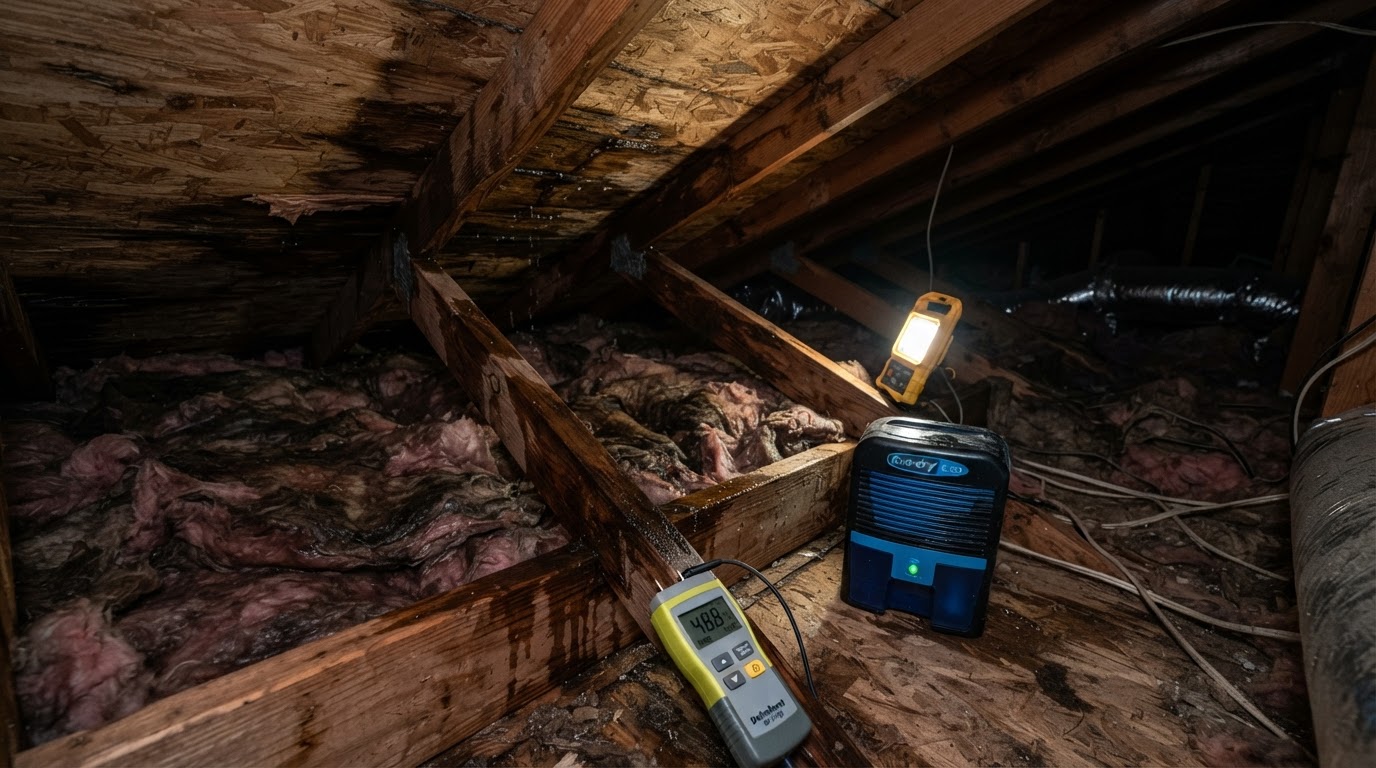
Wake Forest Water Damage Restoration provides basement flooding and water cleanup in Wake Forest, North Carolina. Water that accumulates in a basement or lower level can come from sump pump problems, plumbing leaks, burst pipes, water heater failure, storm or rainwater intrusion, or groundwater entry. Extraction, moisture evaluation, and structural drying help manage that water and the moisture it leaves behind.
What Can Cause Basement Flooding in Wake Forest?
Basement flooding can be caused by sump pump problems, plumbing leaks, burst pipes, water heater failure, storm or rainwater intrusion, groundwater entry, drain-related incidents, or water entering from another building area. The apparent source is identified before cleanup begins, since the source influences the contamination level and the cleanup approach.
Not all Wake Forest properties have basements, but where a lower level exists, it is the lowest point in the building, so water from any source can collect there. The cleanup approach depends on whether the water appears to be from a clean plumbing source, groundwater, or potentially contaminated water.
The restoration service does not diagnose foundation conditions. Foundation, drainage, or groundwater management repairs are handled by an appropriate qualified professional. The focus here is the resulting water and moisture.
Warning Signs of Basement Water
- Standing water
- Wet carpet
- Damp drywall
- Wet stored belongings
- Water staining
- Swollen baseboards
- Persistent humidity
- Damp odors
Our Basement Water Cleanup Process Near Wake Forest
The basement water cleanup process includes a safety assessment, identifying the apparent source, water extraction, assessing the contamination level based on source, moisture evaluation, evaluating walls and floors, structural drying, dehumidification, cleaning, and restoration planning.
- 1
Safety Assessment
The basement is assessed for electrical hazards and unsafe conditions before anyone enters the standing water.
- 2
Identify the Apparent Source
The apparent water source is identified so the cleanup approach can be adjusted based on whether the water is from plumbing, groundwater, or another source.
- 3
Water Extraction
Standing water is removed from the floor using appropriate extraction equipment.
- 4
Assess Contamination Level
The cleanup approach is adjusted based on the apparent source and condition of the water, since contamination depends on what the water contacted.
- 5
Structural Drying & Dehumidification
Air movement and dehumidification promote controlled drying of drywall, framing, flooring, and the subfloor, with monitoring over time.
- 6
Restoration Planning
Materials or areas requiring additional repair or restoration are identified once drying goals are met.
Where Moisture Can Remain After Basement Flooding
After basement flooding, moisture can remain in drywall, flooring, carpet padding, baseboards, wood framing, insulation, stored contents, and wall cavities. Removing standing water is only the first step; moisture can stay inside porous materials after the surface appears dry.
Drywall wicks water up into its gypsum core, carpet padding holds water beneath the visible surface, and the subfloor is hidden beneath finished flooring where direct airflow cannot reach it. Water can also travel through floor seams and into wall cavities behind the baseboards.
This is why extraction is followed by structural drying. Air movement and dehumidification manage the moisture inside those materials until readings confirm they have reached an appropriate dry condition.
Basement Flooded?
Moisture can remain in drywall and the subfloor after the standing water is gone.
Basement Water Cleanup for Wake Forest Properties
Basement water cleanup is available for homes and businesses in Wake Forest. A basement flood is one specific form of indoor flooding, so this specialized cleanup connects to the broader flood damage cleanup process.
When the flooding followed a sump pump problem or storm intrusion, the sump pump failure or storm and heavy rain water damage restoration pages may also be relevant. Along with Wake Forest, service information is available for nearby communities including Raleigh, Rolesville, Youngsville, and Knightdale.
Related Water Damage Services
Basement Flood Cleanup FAQs in Wake Forest
Basement Water Damage in Wake Forest?
Call Wake Forest Water Damage Restoration at 984-401-9704 for basement flooding and water cleanup in Wake Forest, NC. Extraction and structural drying help manage water that has spread into drywall and the subfloor.
Wake Forest, NC 27587 • Serving Wake Forest & surrounding North Carolina communities